
What is Performance Marketing? Unveiling the Power of Results-Driven Marketing
04
Nov
What is Performance Marketing? Unveiling the Power of Results-Driven Marketing
n today’s fast-paced digital landscape, businesses are constantly seeking innovative ways to capture the attention of their target audiences and drive growth. One such transformative approach that has revolutionized the marketing sphere is “Performance Marketing.” In this comprehensive guide, we will explore the intricacies of performance marketing, its underlying principles, strategies, and the profound impact it has had on the modern marketing landscape.
Understanding the Essence of Performance Marketing
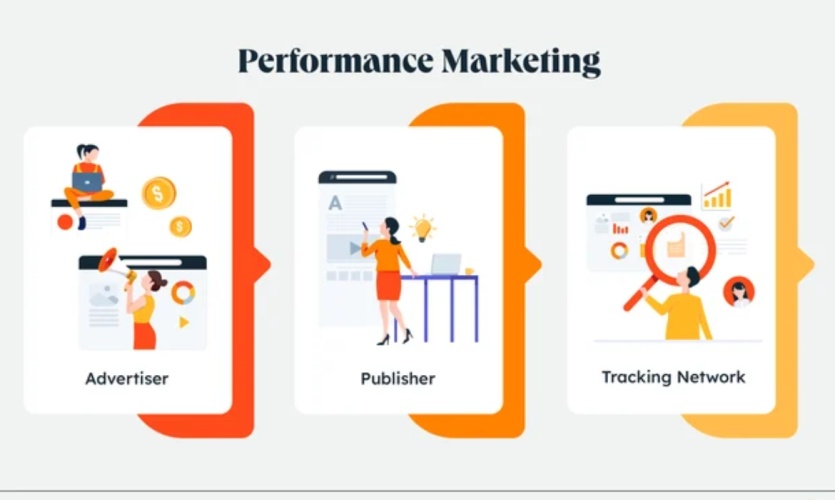
Performance marketing is a dynamic and results-oriented digital marketing strategy that places paramount importance on quantifiable outcomes and specific actions. Unlike traditional advertising methods that primarily focus on brand awareness, performance marketing thrives on achieving well-defined goals, whether it be clicks, conversions, sales, or leads, while ensuring that marketing efforts are optimized for efficiency and return on investment (ROI).
Let’s delve deeper into the core components that make performance marketing a unique and powerful approach:
1. Pay-for-Performance Model:
At the heart of performance marketing lies the concept of a pay-for-performance model. Advertisers are only charged when predetermined actions are successfully completed. For instance, with pay-per-click (PPC) advertising, advertisers pay exclusively when a user clicks on their ad. This ensures that marketing budgets are efficiently allocated, as expenses are directly tied to desired outcomes.
2. Laser-Focused Targeting:
Performance marketers leverage advanced targeting techniques and data analysis to pinpoint the most relevant audience segments. This precision allows for the creation of highly personalized campaigns tailored to specific demographics, interests, and behaviors.
3. Real-Time Analytics:
A hallmark of performance marketing is the reliance on real-time data and analytics. Advertisers can track the performance of their campaigns instantaneously, enabling them to make timely adjustments and optimizations for improved results.
4. Data-Driven Decision-Making:
Performance marketing thrives on data-driven insights. Marketers meticulously analyze performance metrics, such as click-through rates (CTR), conversion rates, cost per acquisition (CPA), and return on ad spend (ROAS), to make informed decisions and enhance campaign performance.
5. Diverse Marketing Channels:
Performance marketing encompasses a vast array of digital marketing channels, including search engine marketing (SEM), social media advertising, email marketing, affiliate marketing, and display advertising. This diversity allows advertisers to select the channels that best align with their objectives and target audience.
The Evolution of Performance Marketing
The journey of performance marketing is intertwined with the rapid evolution of technology and shifts in consumer behavior. Let’s take a closer look at how this marketing strategy has evolved over time:
1. Emergence of Digital Advertising:
The advent of the internet ushered in new opportunities for advertising. This digital era paved the way for online advertising methods, including search engine advertising and display advertising, which laid the foundation for performance marketing.
2. Google AdWords and the Birth of PPC Advertising:
In 2000, Google AdWords revolutionized online advertising with its pay-per-click (PPC) model. Advertisers could bid on keywords related to their products or services, and they would only incur costs when users clicked on their ads. This groundbreaking approach was a significant step toward performance-based advertising.
3. Rise of Social Media Advertising:
The emergence of social media platforms like Facebook, Twitter, and Instagram introduced fresh advertising opportunities. Social media advertising offered precise audience targeting based on user demographics, interests, and behavior, aligning seamlessly with performance marketing principles.
4. The Power of Data Analytics and Attribution Modeling:
Advancements in data analytics and attribution modeling empowered marketers with deeper insights into consumer behavior and the customer journey. This data-centric approach enabled more effective targeting and optimization.
5. Mobile Marketing and App Advertising:
The proliferation of smartphones led to the rise of mobile marketing and in-app advertising. Mobile app install campaigns became a cornerstone of performance marketing, driving app downloads and user engagement.
Strategies That Drive Performance Marketing
Performance marketing encompasses a spectrum of strategies and tactics meticulously designed to achieve specific objectives. Here are some common performance marketing strategies:
1. Search Engine Marketing (SEM):
SEM involves paid advertising on search engines such as Google and Bing. Advertisers bid on keywords related to their offerings, and their ads appear in search results when users enter those keywords.
2. Social Media Advertising:
Social media platforms offer a wealth of advertising options, including sponsored posts, display ads, and video ads. Advertisers can precisely target demographics and interests to reach their ideal audience.
3. Email Marketing:
Email marketing campaigns are instrumental in nurturing leads and driving conversions. Performance metrics like open rates and click-through rates (CTR) gauge campaign effectiveness.
4. Display Advertising:
Display ads encompass graphic or video advertisements displayed on websites and apps. These ads can be targeted based on user behavior and interests.
5. Affiliate Marketing:
In affiliate marketing, businesses collaborate with affiliates, often publishers or influencers, who promote their products or services. Affiliates earn commissions for each sale or lead generated through their marketing efforts.
6. Remarketing and Retargeting:
These strategies involve displaying ads to users who have previously engaged with a brand’s website or app. They effectively re-engage potential customers who may not have completed desired actions.
7. Content Marketing:
Content marketing focuses on creating valuable, informative content that attracts and engages an audience. Performance metrics are employed to assess the success of content-driven campaigns.

2 Comments
Kevin Martin
Mauris non dignissim purus, ac commodo diam. Donec sit amet lacinia nulla. Aliquam quis purus in justo pulvinar tempor. Aliquam tellus nulla, sollicitudin at euismod.
ReplySarah Albert
Mauris non dignissim purus, ac commodo diam. Donec sit amet lacinia nulla. Aliquam quis purus in justo pulvinar tempor. Aliquam tellus nulla, sollicitudin at euismod.
ReplyLeave a Comment