
Programmatic Advertising: The Future of Digital Marketing
04
Nov
Programmatic Advertising: The Future of Digital Marketing
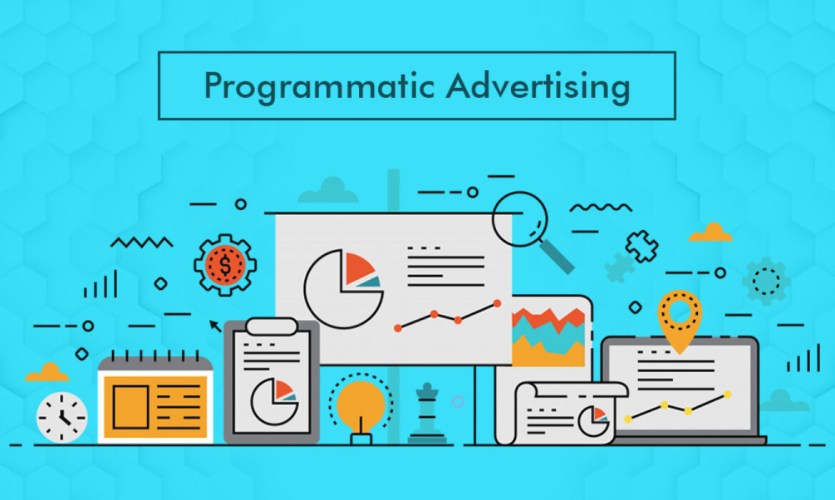
In the ever-evolving landscape of digital marketing, one term that has been making waves and transforming the way businesses reach their audiences is “Programmatic Advertising.” This blog will delve deep into the world of programmatic advertising, demystifying its intricacies, exploring its key components, and uncovering the impact it has had on the digital marketing arena.
Understanding Programmatic Advertising
Programmatic advertising is a cutting-edge digital marketing strategy that leverages technology and data to automate the buying of ad space and the delivery of ads to highly targeted audiences. Unlike traditional advertising, which relies on manual processes and negotiations, programmatic advertising utilizes algorithms and real-time bidding to make data-driven decisions about which ads to display and to whom.
At its core, programmatic advertising revolves around several fundamental principles:
1. Automated Ad Buying:
Programmatic advertising automates the process of buying ad inventory, eliminating the need for human intervention in negotiations and transactions. This automation streamlines the buying process, making it more efficient and cost-effective.
2. Data-Driven Targeting:
Data is the lifeblood of programmatic advertising. Marketers leverage vast datasets to pinpoint their ideal audience segments with remarkable precision. This allows for highly personalized and relevant ad campaigns that maximize engagement and conversion rates.
3. Real-Time Bidding (RTB):
Real-time bidding is a key feature of programmatic advertising. Advertisers bid in real-time for ad impressions, with the highest bidder securing the opportunity to display their ad to a specific user at a particular moment. This ensures that ad placements are optimized for relevance and value.
4. Inventory Diversification:
Programmatic advertising encompasses a wide array of digital channels, including display, video, mobile, social media, and even connected TV. This versatility allows advertisers to choose the platforms that align most closely with their campaign objectives and target audience.
Evolution of Programmatic Advertising
The journey of programmatic advertising has been marked by significant milestones and technological advancements. Here’s a brief overview of its evolution:
1. Emergence of Ad Exchanges:
The advent of ad exchanges in the mid-2000s paved the way for programmatic advertising. Ad exchanges acted as digital marketplaces where publishers could auction off their ad inventory to advertisers in real-time.
2. Rise of Demand-Side Platforms (DSPs):
Demand-side platforms emerged as essential tools for advertisers, providing them with the capability to bid on and purchase ad inventory across multiple ad exchanges and publishers from a single interface.
3. Data-Driven Targeting:
Advancements in data collection and analysis allowed advertisers to harness user data for highly precise targeting. This led to the rise of data management platforms (DMPs), which played a crucial role in audience segmentation.
4. Expansion into Mobile and Video:
Programmatic advertising extended its reach to mobile devices and video platforms, allowing advertisers to tap into the growing mobile and video advertising markets.
5. Integration with Artificial Intelligence (AI) and Machine Learning (ML):
AI and ML technologies have become integral to programmatic advertising. These technologies enable predictive analytics, audience insights, and dynamic ad creative optimization, enhancing campaign performance.
Programmatic Advertising Strategies
Programmatic advertising offers a plethora of strategies and tactics for advertisers to achieve their objectives. Here are some common programmatic advertising strategies:
1. Real-Time Bidding (RTB):
RTB involves bidding in real-time for ad impressions based on user data and contextual information. The highest bidder wins the right to display their ad to the user.
2. Programmatic Direct:
In programmatic direct, advertisers and publishers establish direct deals, cutting out the intermediary ad exchange. This method provides more control over ad placements and pricing.
3. Private Marketplace (PMP):
PMPs are invitation-only marketplaces where premium ad inventory is made available to select advertisers. PMPs offer a controlled environment for high-quality ad placements.
4. Automated Guaranteed:
Automated guaranteed deals allow advertisers to reserve specific ad inventory at a fixed price. This approach combines automation with guaranteed ad placements.
5. Contextual Targeting:
Contextual targeting involves placing ads in content that aligns with the ad’s theme or the user’s interests. This method ensures that ads are relevant to the surrounding content.
6. Dynamic Creative Optimization (DCO):
DCO utilizes real-time data to customize ad creative elements, such as headlines, images, and calls to action, for each user. This personalization enhances engagement.
The Benefits of Programmatic Advertising
Programmatic advertising has ushered in a new era of efficiency and effectiveness in digital marketing. Here are some of its key benefits:
1. Precision Targeting:
Programmatic advertising allows for hyper-targeted campaigns based on user data, behavior, and preferences. Advertisers can reach their ideal audience with remarkable accuracy.
2. Real-Time Optimization:
The real-time nature of programmatic advertising enables instant adjustments to campaigns. Marketers can allocate budgets to top-performing ads, maximizing ROI.
3. Cost Efficiency:
Automation reduces operational costs, and the pay-per-impression model ensures that advertisers only pay for actual ad views, making it a cost-effective advertising solution.
4. Transparency and Data Insights:
Programmatic platforms provide transparency into ad placements and performance metrics. Marketers can access detailed data to evaluate campaign effectiveness and make data-driven decisions.
5. Scale and Reach:
Programmatic advertising offers access to a vast and diverse inventory of ad placements, allowing advertisers to reach global audiences at scale.
Challenges and Considerations
While programmatic advertising offers numerous advantages, it also comes with challenges and considerations:
1. Ad Fraud:
The automated nature of programmatic advertising has led to concerns about ad fraud, including bot traffic and invalid clicks. Advertisers must implement fraud detection measures to protect their budgets.
2. Brand Safety:
Programmatic ads may inadvertently appear in inappropriate or harmful contexts. Advertisers must use brand safety tools to mitigate this risk.
3. Ad Blockers:
The prevalence of ad blockers poses a challenge to programmatic advertising. Advertisers must focus on creating non-intrusive, valuable ad experiences.
4. Data Privacy:
Stricter data privacy regulations, such as GDPR, impact programmatic advertising. Advertisers must ensure compliance with data protection laws.
The Future of Programmatic Advertising
As technology continues to advance, programmatic advertising is poised for further growth and innovation. The integration of artificial intelligence, machine learning, and blockchain technology holds the potential to address current challenges and further enhance the efficiency and transparency of programmatic advertising.
In conclusion, programmatic advertising has revolutionized the digital marketing landscape by offering precision targeting, real-time optimization, and cost efficiency. Its evolution, from the emergence of ad exchanges to the integration of AI and ML, demonstrates its adaptability and resilience. Advertisers who embrace programmatic advertising and stay attuned to industry developments are well-positioned to thrive in the dynamic world.

2 Comments
Kevin Martin
Mauris non dignissim purus, ac commodo diam. Donec sit amet lacinia nulla. Aliquam quis purus in justo pulvinar tempor. Aliquam tellus nulla, sollicitudin at euismod.
ReplySarah Albert
Mauris non dignissim purus, ac commodo diam. Donec sit amet lacinia nulla. Aliquam quis purus in justo pulvinar tempor. Aliquam tellus nulla, sollicitudin at euismod.
ReplyLeave a Comment