
Mobile App Monetization Is Wide Open Heres How to Capture It
11
Nov
Mobile App Monetization Is Wide Open Heres How to Capture It
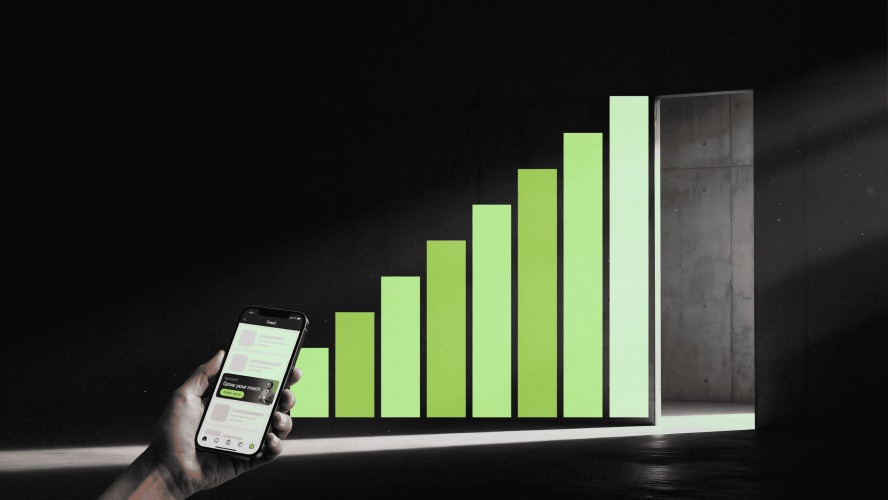
Global app revenue hit $522.67 billion in 2022, and it's projected to reach $673.79 billion by 2026, according to Statista data compiled by MobiLoud. Nearly 90% of all mobile screen time now happens inside apps, not mobile browsers, The Global Statistics reports. Most web publishers haven't touched any of it. That's not an audience problem, it's an infrastructure gap.
The market and the ad spend
Non-gaming apps overtook games in consumer spend for the first time in 2025, $84.1 billion versus $82.7 billion, according to Apps Finboard's 2026 monetization report. The app economy is no longer a gaming story with everyone else on the margins.
In-app advertising remains the largest single revenue engine in mobile, and 60% of top-grossing apps now run a hybrid model that blends ads, purchases, and subscriptions rather than relying on just one, per AppSamurai's research. The publishers capturing the most value aren't betting on a single mechanism. They're running the full stack.
The basics: IAA and IAP
In-app advertising (IAA) monetizes attention: banners, interstitials, rewarded, and playable formats, each earning at a different point in the user journey. In-app purchases (IAP) monetize action: one-time unlocks, virtual goods, and consumables layered on top of a free experience users already value. IAP revenue hit $209 billion in 2024, Apps Finboard's data shows, and only around 5% of users ever convert, which is exactly why it can't be the only mechanism in the stack.
Neither model on its own captures the full value of an app's audience. Together, they cover both the users who will never pay and the users who will.
Zettamobi mobile app monetization
This is where most web publishers get stuck. Dev resources, SDK setup, and ad stack integration all take time, so the app sits on a roadmap for a year, then two, while traffic that could be monetized keeps growing on the web side alone.
Zettamobi mobile SDKs for Android, iOS, Flutter, and React Native close that gap. Publishers get banner ads, Prebid header bidding, Google Ad Manager, and privacy consent support, running under the same Zettamobi infrastructure already powering their web revenue. The SDK is live today, with several of the top demand partners already integrated and tagged, so the demand side of the stack is already built rather than something a publisher has to assemble deal by deal.
Currently there are no minimum traffic requirement to get started. The Google submission process runs through an MCM-style structure, and approval is reported to move fast.



3 Comments
author
This is where most web publishers get stuck. Dev resources, SDK setup, and ad stack integration all take time, so the app sits on a roadmap for a year, then two, while traffic that could be monetized keeps growing on the web side alone.
Sumit sharma
Zettamobi mobile SDKs for Android, iOS, Flutter, and React Native close that gap. Publishers get banner ads, Prebid header bidding, Google Ad Manager, and privacy consent support
ajay
Currently there are no minimum traffic requirement to get started
Leave a Comment